

Our cabin up north
The real numbers on our Munds Park cabin.
In 2021 we bought a cabin in the pines, about 2 hours north of Phoenix, and turned it into a short-term rental. This is what it earns, what it costs, how we run it, and how a cost segregation study let us write off over $150,000. The good years and the slow ones.
The cabin
Small, cozy, and easy to book.
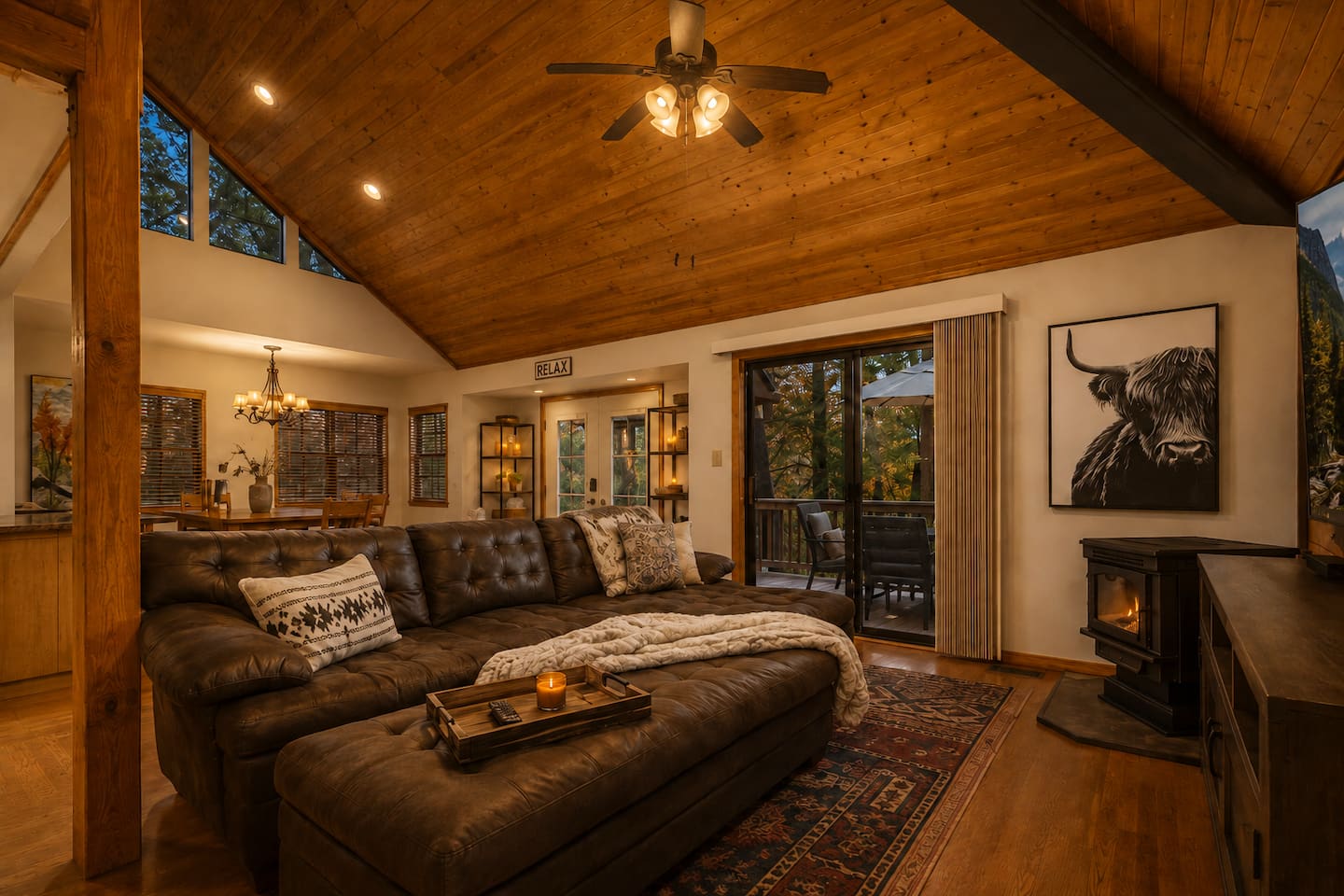
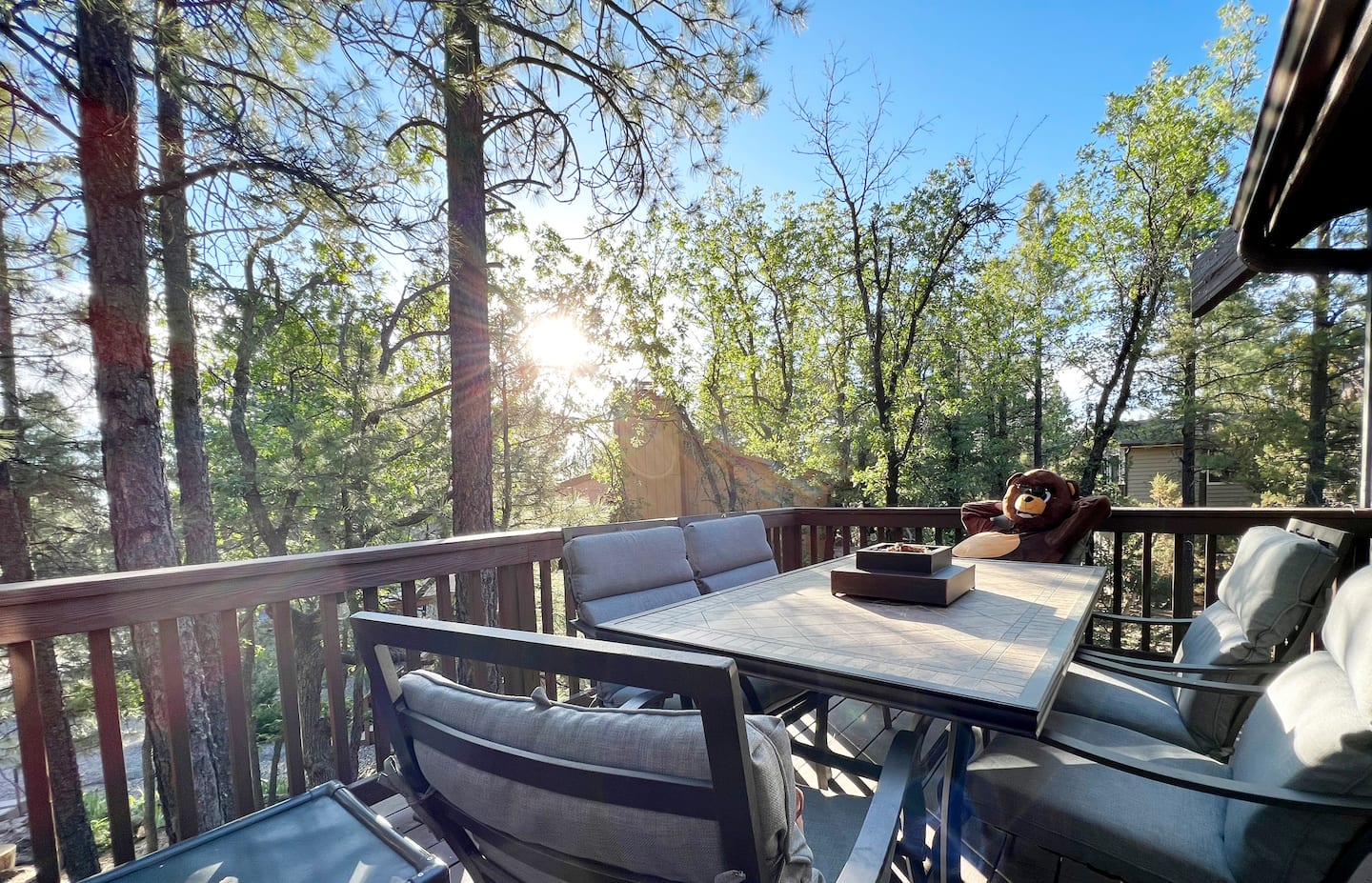
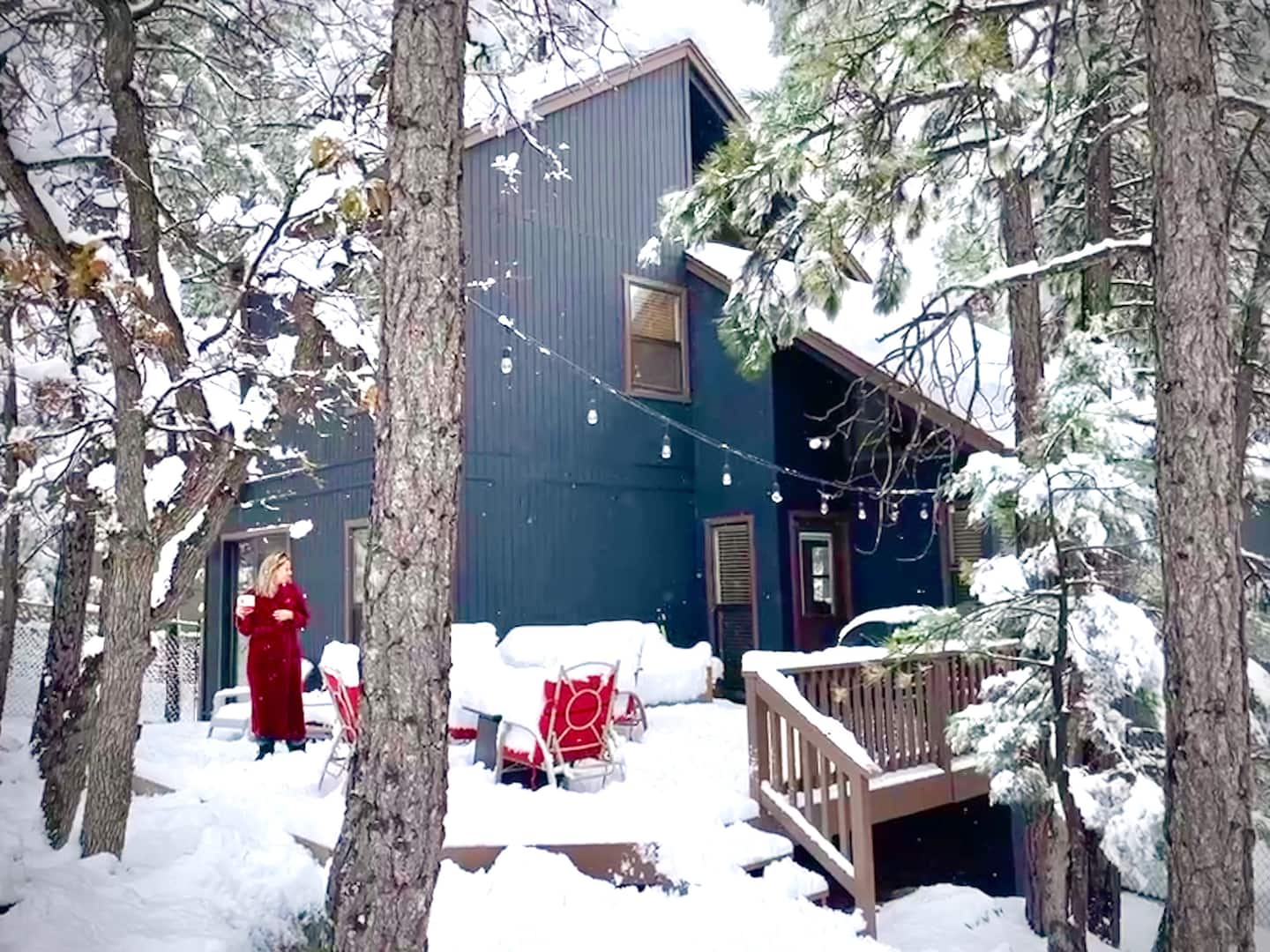
Munds Park sits off I-17, about 20 minutes south of Flagstaff. Phoenix families can leave after work on Friday and be at the fire pit before dark. It runs about 25 degrees cooler than the Valley in July and gets real snow in winter, so it books in both seasons.
- 3 bedrooms, 2 baths
- 1,184 sq ft
- Pellet stove
- Big deck in the pines
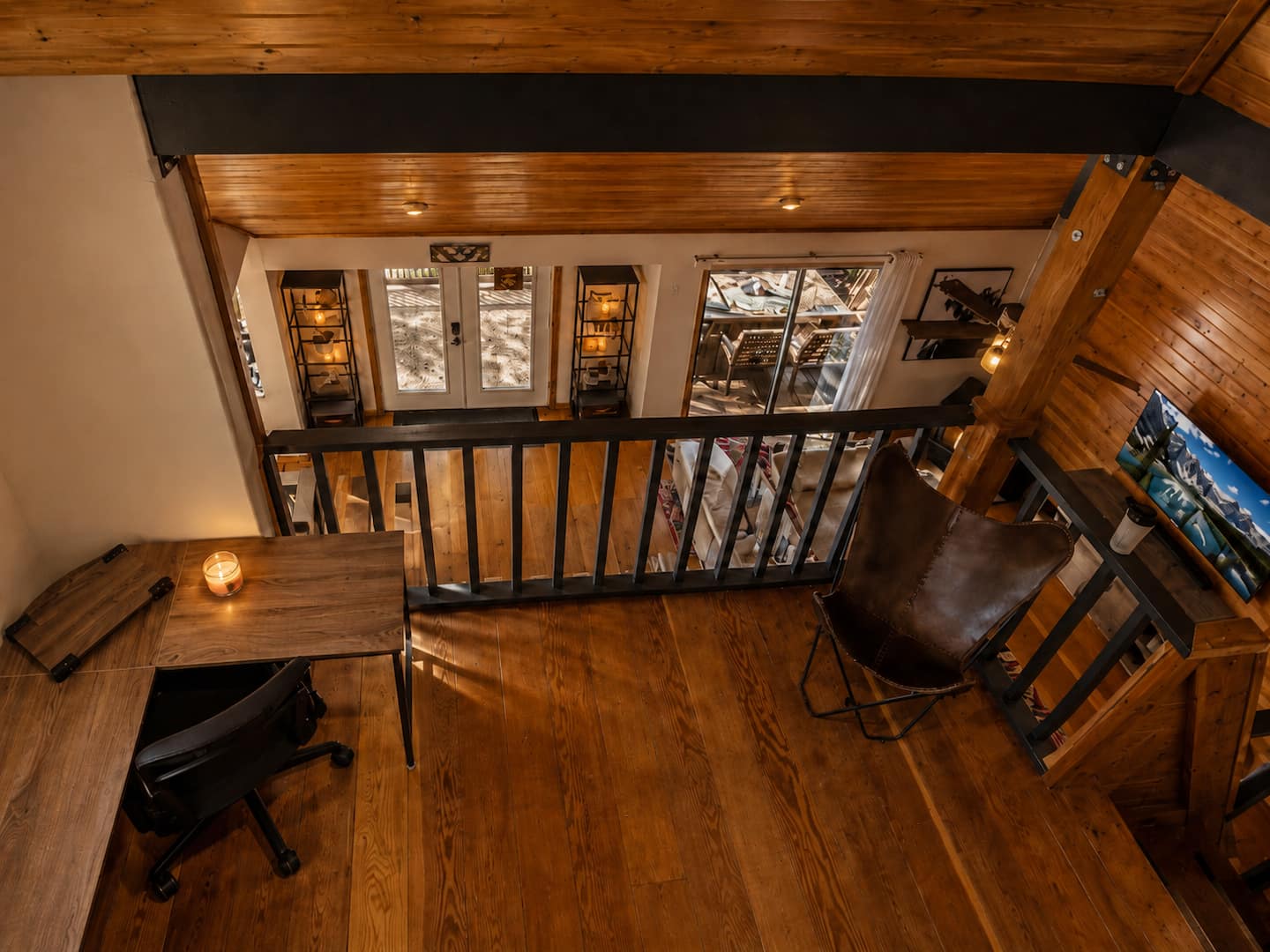
- Loft workspace
What it earns
5 years of Airbnb payouts.
These are the payouts Airbnb sent us each year, after its fees. VRBO and direct bookings are on top of this, so the real gross is higher.
| Year | Airbnb payouts | vs prior year |
|---|---|---|
| 2022 | $59,635 | First full year |
| 2023 | $42,405 | -29% |
| 2024 | $49,025 | +16% |
| 2025 | $30,560 | -38% |
| 2026 | $44,741 | +46% |
| Total | $226,366 |
Source: our Airbnb earnings dashboard, payouts by year after Airbnb's fees. Airbnb only. 2026 is $34,268 paid plus $10,473 in confirmed upcoming payouts as of November 18, 2026, with December still filling.
What it costs
Our first full year of books.
From our 2022 profit and loss, January through November.
| Line | Jan to Nov 2022 |
|---|---|
| Income | $57,077 |
| Mortgage payments | -$24,820 |
| Cleaning | -$11,920 |
| Software, subscriptions, memberships | -$5,761 |
| Supplies | -$4,974 |
| Repairs | -$2,916 |
| Utilities | -$2,709 |
| Marketing | -$1,697 |
| Everything else | -$4,075 |
| Net operating income | -$1,796 |
We did not buy the cabin to be a cash machine. We bought it for the tax side, the long hold, and a place we love up north. If you need a short-term rental to pay you every month from day 1, buy with more cash down or pick a different deal.
How we set it up
Built to book and built to last.
Own it in an LLC
The cabin sits in its own LLC with its own bank account and books. Clean records made the tax work and the cost seg study simple.
Furnish for durability
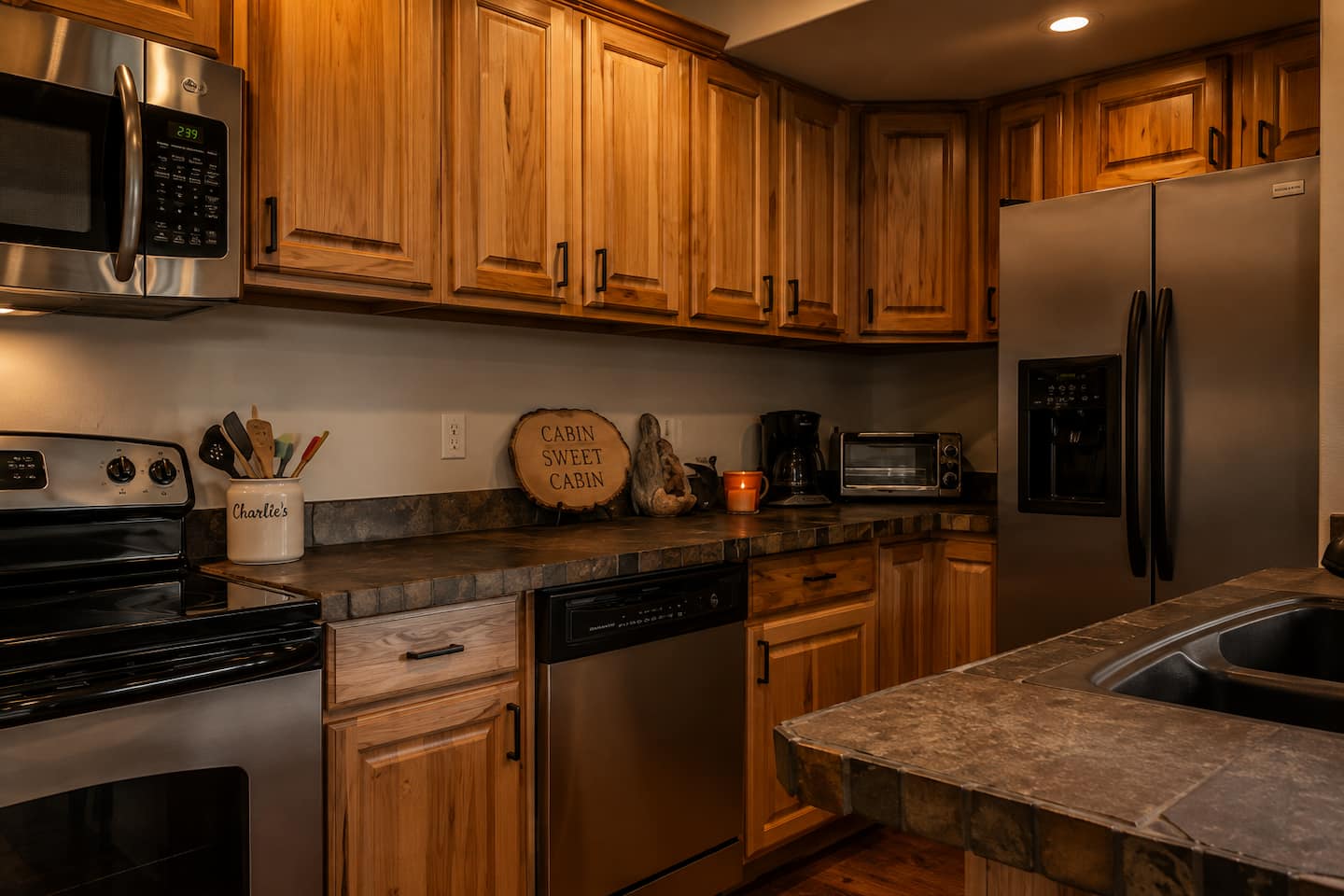
Wood floors, washable fabrics, a pellet stove guests love, and a desk in the loft for people who work from the mountains.
Pro photos first
The listing photos are the product. We paid for real ones before the first booking went live.
Keypad entry
Self check-in with a keypad lock. No key handoffs and no waiting on us.
3 booking channels
Airbnb, VRBO and our own direct booking site, so one platform changing its rules does not sink the year.
House rules in writing
Checkout time, trash, and the stove are spelled out in the listing and in the cabin. Fewer questions, fewer surprises.
How we run it
We manage it ourselves from Phoenix.
Lodgify
One calendar and one inbox for Airbnb, VRBO and our own booking site. Messages and check-in instructions go out on schedule.
Direct bookings
Repeat guests book on our own site, which skips the platform fees.
A small ad budget
About $150 a month on Facebook and Instagram in year 1 to push direct bookings.
Cleaning is everything
Our biggest cost after the mortgage, and the reason for the reviews. Every stay gets a full turn and a check of the stove, supplies and linens.
Reviews
Close to 200 five-star reviews. Fast replies and a spotless cabin do most of the work.
Pricing
Summer, snow weekends and holidays carry the year. Rates go up for those and down to fill weekdays.
Our network
The people who make it work.
You cannot run a cabin 2 hours away without a team on the ground. If you buy up north, I will introduce you to the local crew we use.
Cost seg study
Ours paid for itself many times over. Fees vary by property and firm. Use an engineering-based firm and ask for audit defense.
Your own CPA
The short-term rental rules are specific. Find a CPA who files these returns every year, and interview 2 or 3 before you buy.
Cleaners up north
A local crew that turns the cabin between guests and tells us when something looks off.
Plumber and handyman
Pipes, decks and roofs take a beating at 6,000+ feet. We know who answers the phone.
Lender
Second home and investment loans are different products. The right lender saves you real money. We use Justin Volpone, Phoenix Lending Group (NMLS #1964381).
Call JustinConnect onlineInsurance
A regular homeowners policy is not built for paying guests. We used our local broker, Tres LaChance of LaChance Insurance, to shop carriers for a short-term rental policy at the best rate.
Call TresGet a quoteThe cost segregation
How we wrote off over $150,000.
A long-term rental depreciates the building over 27.5 years. A short-term rental with an average stay of 7 days or less is treated as nonresidential property, so the building goes on a 39-year schedule. A cost segregation study reclassifies the parts of the property that are not the structure into shorter 5, 7 and 15-year recovery periods: personal property like appliances, cabinetry, flooring and fixtures, and land improvements like landscaping and site work. With bonus depreciation, much of that shorter-life property can be deducted in the year it is placed in service. Our study placed $109,002 in the 5-year class and $46,280 in the 15-year class. Here is the actual report.
One note: a cost seg study is a specialized engineering report done by a cost seg firm, not by a CPA. Your CPA uses the report on your return, and you should confirm every tax rule with them.
| From our study | Amount |
|---|---|
| Purchase price | $540,000 |
| Land (not depreciable) | -$19,837 |
| Depreciable basis | $520,163 |
| 5-year personal property (21%) | $109,002 |
| 15-year land improvements (9%) | $46,280 |
| 39-year building (70%) | $364,881 |
| Moved to fast schedules | $155,282 |
The short-term rental rule. Rental losses are normally passive and cannot offset W-2 or business income. When the average guest stay is 7 days or less and you put in enough of your own hours running it, those losses can count against your other income. That is the piece most owners miss.
Why it worked here. The land was under 4% of the price, so almost the whole purchase was depreciable. In the Valley, land is often a much bigger slice.
Before you buy one
What can go wrong.
- Revenue swings with the weather. Ours fell 38% in 2025 after a weak winter, then came back 46% in 2026. Underwrite the slow year, not the best one.
- Break-even is common. With a normal loan, many cabins cover their costs and not much more. The win is taxes and equity, not monthly cash.
- Depreciation comes back. When you sell, the IRS recaptures what you wrote off unless you plan around it, often with a 1031 exchange.
- The tax rule takes your time. The short-term rental rule needs real hours from you, documented. Hand it all to a manager and you may lose it.
- Winter is real. Snow, frozen pipes and slick roads come with the territory. Budget for them.
- Licenses and taxes. Arizona short-term rentals need a state TPT license and must collect lodging taxes. Check local and HOA rules before you offer.
This page shares our own results and is general education, not tax, legal or financial advice. Your numbers will be different. Talk to a CPA about your situation before you buy or file. Past results do not predict future results. Dan Weisinger, Weisinger Residential Group, brokered by Real Broker AZ, LLC. Equal Housing Opportunity.